Special Report | Vape bans and tougher rules: the South Caucasus takes different paths
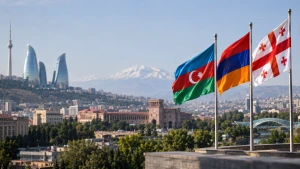
 Azerbaijan banned vapes, Armenia tightened taxes and technical rules, and Georgia resisted strict controls while favoring domestic cigarette makers.
Summary
Azerbaijan banned e-cigarettes nationwide from April 1, 2026, prohibiting import, export, production, storage, sale and use of nicotine and nicotine-free vapes, while excluding heated tobacco. Fines range from 30 manats for public use to 350–500 manats for illegal trade, but reports of Telegram and Instagram sales and pre-existing smuggling have raised doubts about enforcement. Analysts warn the ban could fuel a black market supplied from Russia and Georgia and call for targeting supply chains. Armenia rejected a blanket ban, approving revised excise rates for tobacco and nicotine products for 2027–29 effective February 1, 2027, and tightening technical requirements from September 2026, including a 2 ml cartridge limit, a 20 mg/cm³ nicotine cap and restrictions on ingredients and additives, though flavored vapes remain legal. Georgia has avoided sweeping vape restrictions despite its Tobacco Control Alliance urging flavor bans, plain packaging, a purchase age of 21 and a lifetime ban for people born after 2015. Instead, Tbilisi granted domestic cigarette manufacturers preferential excise rates from January 1, 2026, capped at 35 million packs annually. In the first half of 2026, domestic cigarette sales rose 26% while budget revenues from that segment fell 13.8%, and overall tobacco revenue rose a nominal 3.9% to GEL 750.4 million but declined in real terms.
(Source:2Firsts)