AHA Journal Study: WS-23 Triples Premature Heartbeats, Raising Concerns Over Vape Cooling Agents
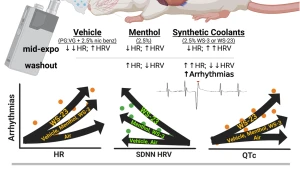
 A study in an AHA journal found that synthetic cooling agents like WS-23 tripled premature heartbeats in animal experiments.
Summary
A University of Louisville research team published a study in the American Heart Association journal Circulation: Arrhythmia and Electrophysiology. The study, led by Alex Carll, investigated the effects of synthetic cooling agents, specifically WS-3 and WS-23, which are used in e-cigarettes to create a cooling sensation without a distinct flavor. The researchers found that these cooling agents can disrupt cardiac electrical activity. In animal experiments, exposure to WS-23 tripled the number of premature heartbeats compared to aerosols containing only nicotine and solvents. The study also noted that coolant exposure was associated with increased heart rate and slower electrical recharge between beats. While the agents did not significantly alter normal resting rhythm in lab-grown human heart cells, they slowed the overall rhythm when hormonal stress was simulated. The researchers concluded that synthetic cooling agents may cause arrhythmias by making the heart electrically ready too early or too late for the next beat. The study highlights the rapid growth of cooling agents in the e-cigarette market, with sales rising 872.1% from 2020 to 2023. The authors urge regulators to consider limits on cooling-agent concentrations in e-cigarettes if further studies confirm that such additives increase harmful cardiac effects.
(Source:2Firsts)