'Higher vape taxes alone are not the solution' – Lawyer
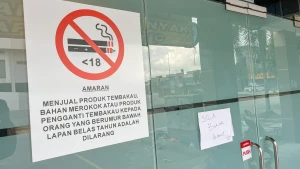
 A Malaysian tax lawyer warns that raising vape taxes without stronger enforcement could unintentionally strengthen the black market.
Summary
Malaysian tax lawyer Datuk S. Saravana Kumar, a partner at RDS Partnerships and head of SST and Customs at RDS Advocates & Solicitors, warned that Budget 2027 must balance taxing legal vape products with preventing higher taxes from pushing consumers toward cheaper illicit alternatives. Malaysia has collected RM354.51 million in excise duty from electronic cigarettes and vape liquids since 2023, with annual collections rising from RM80.32 million in 2023 to RM118.93 million in 2025. Saravana emphasized that cigarettes and vape products have different characteristics and consumption patterns and should not necessarily be taxed identically, but legal nicotine products should operate within a proportionate tax framework to avoid significant disparities between legal and illicit products. He cautioned that wide differences in taxation could encourage consumers to seek cheaper, unregulated alternatives, undermining legitimate businesses, eroding tax compliance, and making enforcement more difficult. Saravana stressed that higher taxes alone are not a solution and must be accompanied by stronger enforcement, licensing, product standards, and traceability measures. The issue comes amid renewed uncertainty over vape regulation following the government's decision to withdraw its appeal against a High Court ruling on liquid nicotine's exemption from the Poisons List. Lawmaker Wan Saiful Wan Jan has called for vape products to be taxed by nicotine content for consistency with cigarette taxation, while researcher Muhammad Daniel Kittu has highlighted the importance of effective enforcement against illicit trade. Saravana concluded that the excise duty collected should not simply be viewed as revenue to maximize, and that fiscal policy must account for broader public health and economic implications, with taxation serving as one component of a broader regulatory framework rather than merely a revenue-raising tool.
(Source:Newswav)