Philly’s 1960s war on glue-sniffing yields lessons for today’s anti-vaping efforts
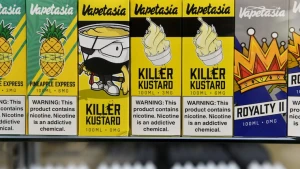
 Philadelphia's 1960s anti-glue-sniffing efforts offer historical context for current vaping legislation struggles.
Summary
In spring 2025, Philadelphia hosted a Youth Vaping Prevention Town Hall and City Council passed an anti-vaping bill restricting sales to those under 21. However, Mayor Cherelle Parker returned the bill unsigned because the city's Home Charter Rule already mandates smoke-free public spaces and fines businesses for allowing minors on premises. This legislative stalemate mirrors the city's failed attempts in the 1960s to curb glue-sniffing. During that era, police and officials targeted young people for substance abuse rather than regulating the stores that sold glue, amphetamines, and cough syrup to minors. The 1964 anti-glue-sniffing bill, introduced by Councilman Thomas M. Foglietta, proposed banning the sale of solvent-containing glues to youth and punishing possession with fines and imprisonment. Despite support from psychiatrists and a high-profile case involving a violent attack linked to glue-sniffing, the bill was rejected by City Council in 1965. Critics argued the law was too loosely worded and that everyday products should not be banned due to misuse by a few. The history of these failed regulations highlights a persistent pattern where profit and punitive measures often take precedence over health and safety. Today, as Philadelphia grapples with the opioid crisis and debates harm reduction strategies like safe injection sites, the lessons from the 1960s suggest that regulating commerce and addressing the root causes of addiction, such as poverty and disinvestment, are crucial for effective public health policy.
(Source:The Philadelphia Inquirer)