Aurora Council Approves Permit Targeting Vape Shops, Liquor Stores in Poor Areas
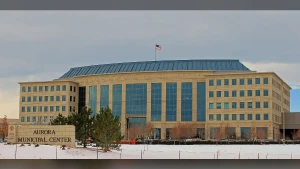
 Aurora City Council approved a socioeconomic impact permit forcing vape shops, liquor stores, pawn shops, and rent-to-own outlets to keep their distance in lower-income neighborhoods.
Summary
The Aurora City Council voted to create a new socioeconomic impact permit that requires vape shops, liquor stores, pawn shops, and rent-to-own outlets to maintain distance from each other in lower-income neighborhoods. The measure passed with one dissenting vote from Councilmember Curtis Gardner, capping nearly a year of debate over how far the city should go in shaping business mixes in struggling commercial corridors. The ordinance targets high-risk businesses, which currently include 85 liquor stores, 59 vape or smoke shops, 14 pawn shops, and 131 convenience stores selling alcohol or tobacco citywide. Under the rules, high-risk businesses must sit at least 300 feet apart from each other, while businesses of the same type must keep 2,000 feet between locations. High-risk businesses must also be 500 feet from major transit stations and 1,000 feet from extended-occupancy motels. New businesses pay $138 every other year, while existing businesses are grandfathered in. The council amended the measure to reduce the required distance between convenience stores that stock healthy food from 2,000 feet to 500 feet for stores meeting federal stocking standards, tying to a new USDA framework effective November 4, 2026, that expands SNAP staple food requirements. The spacing framework is based on Risk Terrain Modeling, developed by Joel Caplan at Rutgers University, and the American Planning Association's Equity in Zoning Guide. Operational standards follow Crime Prevention Through Environmental Design, and the permit prohibits new operations in shopping centers with visible blight or over 50 percent vacancy. It pairs with the city's derelict property ordinance, allowing permit revocation for neglect, six-month closure, or repeated nuisance violations. The proposal was first introduced in late 2025 by Councilmember Danielle Jurinsky, delayed, and re-sponsored in 2026 by Councilmember Alison Coombs. Mayor Mike Coffman endorsed it, while dissenting council members like Steve Sundberg criticized it as anti-business. Earlier drafts included check-cashing outlets, second-hand buyers, bail bond agencies, and cannabis dispensaries, but those were removed. The permit follows a 2026 tobacco retail license system requiring over 300 stores to pay a $500 annual fee for compliance checks. A final vote is set for the next meeting. The debate echoes recent fights over commercial land use, including a gas station and liquor store denial in July and discussions on food truck density and a rental registry.
(Source:Hoodline)