Juul gets OK to sell updated vaping device with age-gating technology
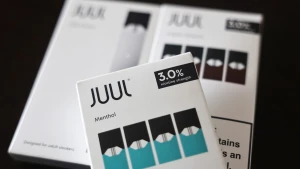
 Juul received FDA approval to sell an updated e-cigarette with optional age-verification to curb underage use.
Summary
Juul Labs received federal permission from the Food and Drug Administration to sell an updated version of its e-cigarette that includes an optional age-verification system designed to prevent underage use. This is the first time Juul can market a new device since its launch over a decade ago. The company has recently laid off hundreds of employees and paid roughly $3 billion to settle government and private lawsuits related to teen use of its products. Juul plans to sell the new device under the brand name Juul2, along with updated tobacco- and menthol-flavored cartridges, after having discontinued flavors such as mango, mint and creme that appealed to teens. CEO K.C. Crosthwaite said Juul will seek authorization for a portfolio of flavors beyond tobacco and menthol aimed at adult nicotine consumers. The FDA stressed that the decision is not an endorsement and that non‑smokers should not use Juul or any e‑cigarette. For smokers who switch completely to Juul, the device can reduce exposure to deadly carcinogens and other chemicals found in traditional cigarettes. Company studies reviewed by the FDA show that between 20% and 50% of smokers who used Juul products were able to quit smoking after six weeks, with quit rates varying by flavor. The new device also offers users the option to require age verification via an online app before the e‑cigarette can be unlocked. The FDA has authorized only a handful of e‑cigarettes to help adult smokers quit or cut back; in May it approved the first fruit‑flavored electronic cigarettes for adult smokers, marking a policy shift. Juul is no longer the top‑selling e‑cigarette brand in the U.S., trailing Vuse, which is sold by Reynolds American (maker of Camel and Newport cigarettes). Federal data show teens have moved away from Juul as part of a broader decline in vaping, with those who continue vaping mostly using unauthorized disposable e‑cigarettes imported from China that come in fruit and candy flavors. The Associated Press Health and Science Department receives support from the Howard Hughes Medical Institute and the Robert Wood Johnson Foundation, but AP is solely responsible for the content.
(Source:NBC10 Boston)