The Flavor Chaser’s Guide: How to Optimize Your Hardware for Maximum Taste
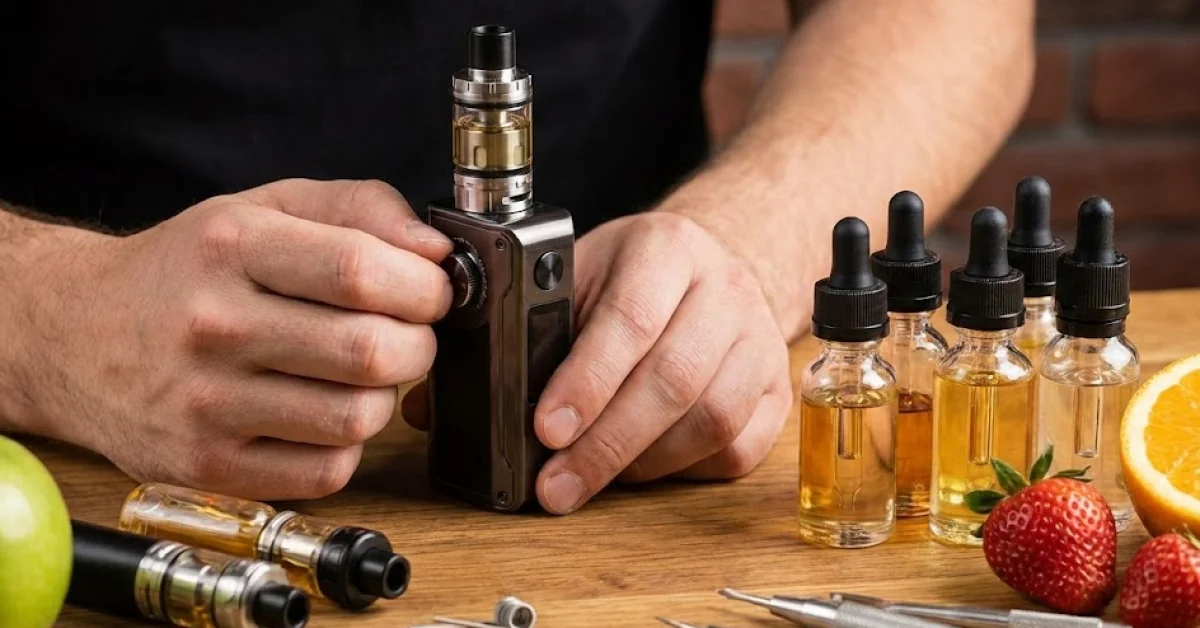
Most vapers blame their e-liquid when the taste is dull, but the hardware setup is usually the real culprit. You know that moment when you take a puff and it's just meh? Often, it's not the juice. It's how your device is handling it. That's where flavor chasing comes in. Flavor chasing is all about vaping for the taste rather than chasing big clouds. It's tweaking your setup to get every note from your e-liquid, whether it's a zesty fruit or a rich custard. The perfect flavor hits when you balance heat, surface area, and airflow just right. Get these in sync, and even a basic juice can taste amazing. If you've ever wondered why the same bottle tastes different on various devices, stick around. We'll walk through how to optimize your hardware for maximum taste, like we're chatting over a vape session.
The Role of Heat (Wattage & Temperature)
Heat is the backbone of flavor in vaping. Different flavor molecules vaporize at different temperatures, so getting the right warmth can make or break your experience. Picture this: you're vaping a fruity blend. At lower temperatures, those bright citrus notes pop fresh and clean. But crank it up too high, and they might turn muted or even bitter. On the other hand, complex dark flavors, like chocolates or tobaccos, often need that extra heat to caramelize and develop depth. It's like baking cookies. Too cool, and they're doughy. Just right, and you get that golden edge.
Wattage controls this heat. Higher wattage means quicker coil ramp-up, leading to warmer vapor that unlocks richer profiles. For instance, custards and creams thrive around 40 watts or more, where the warmth brings out creamy sweetness without burning. Fruits? Keep it under 30 watts to preserve their crispness. Temperature control modes on advanced mods let you set exact degrees, preventing dry hits while fine-tuning taste. Ever had a juice that tastes flat? Try adjusting your wattage in small steps, say 5 watts at a time, and notice how the profile shifts. This is key for flavor chasers, as it turns a simple puff into something layered and enjoyable.
If you're into desserts, optimizing settings for dessert profiles can take things to the next level. Higher heat mimics real baking, enhancing those indulgent notes. But remember, balance is everything. Too much heat leads to harshness, while too little leaves flavors underdeveloped. Experimenting here pays off, making your sessions more satisfying.
Understanding Coil Resistance (Ohms)
Coil resistance, measured in ohms, shapes how your device delivers power and vapor. Lower resistance, often called sub-ohm under 1 ohm, means more surface area on the coil, leading to bigger vapor production and warmer hits. This setup excels for cloud chasers but can also amplify flavors by vaporizing more juice at once. Higher resistance, above 1 ohm, focuses on efficiency, running cooler with less power draw. It's ideal for concentrated nicotine hits and a sharper throat feel, mimicking traditional smoking.
Small changes in ohms, like a 0.2 difference, can completely change the flavor profile of the same juice. A 0.5 ohm coil might make a menthol blast with intensity, while a 1.2 ohm version keeps it subtle and smooth. Why? Lower ohms heat faster, boosting bold notes, but they can overpower delicate ones. Higher ohms preserve nuances, letting subtleties shine without excess vapor diluting them. If you're using pods, this is especially noticeable. Matching resistance to your style avoids disappointment. Do you prefer a punchy draw or something mellow? That's your guide.
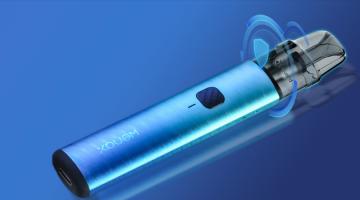
For pod users, finding the best pod coil resistance helps pair flavors perfectly. It's about harmony between hardware and juice. Start with your device's recommendations, then tweak based on taste. This optimization turns average vaping into a flavor adventure.
Airflow Control—The Silent Flavor Killer
Airflow might not be the first thing you think of, but it's a game-changer for taste. Too much air rushing through dilutes the vapor, making flavors feel washed out and distant. It's like adding too much water to your coffee. Everything gets weaker. On the flip side, too little airflow traps heat, creating dense but overly hot vapor that can taste sharp or burnt. Finding the middle ground lets flavors concentrate while keeping the inhale comfortable.
Most devices have adjustable airflow, like sliders or rings on tanks. The sweet spot is usually found by starting with the airflow halfway closed and opening it incrementally. Take a puff, assess the taste, and adjust. For flavor chasing, a restricted draw often wins, as it intensifies notes without overwhelming your senses. Imagine sipping a thick milkshake through a narrow straw versus a wide one. The narrow way makes each flavor linger. This control also affects throat hit and cloud size, but for maximum taste, prioritize density over volume.
Experimenting with airflow can rescue a lackluster juice. If it's too airy, close it down for punchier hits. Too harsh? Open up to cool things. It's a silent tweak that boosts overall enjoyment, making your hardware work for you.
E-Liquid Ratios (VG/PG) vs. Hardware
E-liquid ratios of vegetable glycerin to propylene glycol play directly into your hardware's strengths. VG is thick and sweet, producing smooth, dense vapor ideal for high-wattage mods. A 70/30 VG/PG mix or higher thrives here, creating that thick, sweet vapor without clogging coils. It's perfect for sub-ohm setups where you want rich mouthfeel and big flavor clouds. PG, thinner and carrying more flavor, gives a stronger throat hit. A 50/50 ratio suits pods and higher-resistance coils, wicking fast to prevent dry hits.
Matching juice to coil avoids issues. High VG in a pod might not wick well, leading to burnt tastes. Balanced ratios in mods ensure even vaporization. Think of it as fuel for your engine. Wrong type, and performance drops. For flavor optimization, test ratios with your setup. High VG enhances desserts in powerful devices, while even splits keep fruits crisp in compact ones.
This synergy maximizes taste. If your juice feels off, swap ratios before blaming the flavor. It's a simple hardware tweak for better results.
Maintenance for Flavor Longevity
A dirty coil ruins even the best premium juice. Residue builds up, muting tastes and adding unwanted notes. Regular maintenance keeps flavors pure. Start with priming coils correctly: drip juice on wick holes, let it soak 5-10 minutes before use. This prevents initial dry hits that scorch cotton.
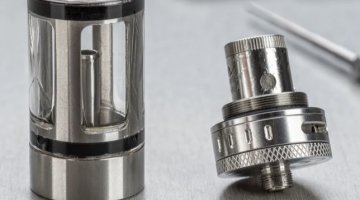
Swap pods or coils when flavor dims, usually every 1-2 weeks depending on usage. Heavy vapers might need changes sooner. Occasionally clean your tank's chimney with warm water or alcohol wipes to remove gunk. Dry thoroughly before reassembling. This clears buildup, restoring crispness.
According to vaping experts who write for us on vaping, these habits extend coil life and maintain taste. Neglect them, and sessions suffer. Flavor chasing demands clean gear for that gourmet feel.
Conclusion
By adjusting your wattage and choosing the right coil, you can make a $15 bottle of juice taste like a gourmet experience. Stay updated with vaping news on hardware trends. It's about small tweaks adding up to big wins. Encourage yourself to experiment with one setting at a time. Start simple, note changes, and find your ideal setup. Happy chasing!
More to Read:






Previous Posts: