Cary Council Rejects Vape Ban in Public Spaces by One Vote
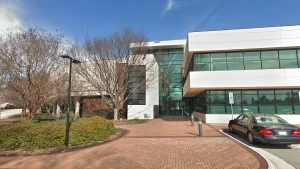
 Cary's town council voted 4-2 against expanding its smoking ordinance to include vaping in public spaces, falling one vote short.
Summary
Cary's town council voted 4-2 on Wednesday against expanding the town's nearly 20-year-old smoking ordinance to cover e-cigarettes and vapes, one vote short of the five needed. The measure would have banned vaping alongside smoking at town buildings, community centers, playgrounds, recreation centers, greenways and trails, and extended restrictions to enclosed public spaces like entertainment venues and retail stores. The vote followed months of advocacy by Cary teenagers from Green Hope, Green Level and Panther Creek high schools who argued pervasive vaping in school bathrooms disrupted learning and created peer pressure; the Poe Center cites the 2023 North Carolina Youth Risk Behavior Survey showing 20 percent of the state's high schoolers currently use vape products. Mayor Pro Tem Lori Bush said the ordinance would simply align vaping with existing smoking rules, while Councilwoman Sarika Bansal opposed moving forward without more staff data, citing enforcement, costs, and priorities. Councilwoman Michelle Craig said signage costs would be absorbed within existing budgets, and Mayor Harold Weinbrecht hoped for agreement once more information is gathered. The draft would have exempted private residences, private vehicles, qualified cigar bars, and standalone tobacco shops, with fines up to $50 and a July 1, 2027 effective date. Student advocate Atharv Koparde said he and others will keep pushing, and Sacheha said the vote only motivated them. The effort fits a wider Wake County push: Raleigh unanimously passed its own expansion in January, Apex launched a committee study in mid-2026, and Wake County commissioners barred new standalone tobacco and vape shops within 1,000 feet of schools, parks, greenways and residential areas in unincorporated parts of the county in October 2023. Local authority comes from General Statute 130A-498, which allows stricter municipal rules for municipal property and enclosed public places but bars local ordinances from reaching private residences, private vehicles, or certain standalone tobacco shops. North Carolina remains one of seven states allowing tobacco and vape sales to people as young as 18 despite the federal minimum of 21, and the 2022 North Carolina Youth Tobacco Survey estimated 43,800 high school and 12,500 middle school e-cigarette users. Juul Labs is providing $47.8 million through 2029 under a revised December 2023 settlement for youth prevention, cessation and data-monitoring programs. Cary's ordinance remains unchanged, and the council could revisit the issue at a future meeting.
(Source:Hoodline)